Care Guide
CARE GUIDE
Dear Valued Friend,
Congratulations on your very cool new pet! We are sure you are very excited to bring your new bird home with you.
How you start your first days at home will be very important in setting a good tone for the future. This is where you
will welcome your bird and begin to set acceptable boundaries. We encourage you to spend a few hours a day with
your bird out of the cage when you start at home. Practice coming in and out of the cage several times each day.
It’s important to note there are three levels of stimulation for you to maintain a good balance between. The first is
direct stimulation (cuddling together), the second is indirect stimulation (allowing your bird out of cage time without
you holding or cuddling), the last is rest cage time (allowing your bird to rest in his/her cage). If you allow your bird
a nice balance of the three simulations, your life together will be very rewarding. It’s important to note that if you allow
too much of any one stimulation you will likely end up with a bird who needs remedial training. We recommend using
a small towel to handle your bird during your first few days to allow your bird to feel secure with you. Keep in mind you
are much larger than your bird and your bird has just come to a brand new environment. Make your environment as
quiet and calm as possible to help your bird gain trust. If your household has small children or animals, make sure to monitor closely how they interact with your new pet. Small children will frequently have a fear of being bit which can
cause them to flinch or make loud noises. We especially recommend having children sit on the floor while using a small towel to give your little Aviculturist some much-needed confidence while interacting with the new pet. You are always welcome to come in for FREE training with your bird! Call on us anytime to assist you in your journey! Welcome to the
Exotic Pet Birds & More family!
Food and Diet for Parrots
Diet is extremely important for birds, not only what they can't eat, but also what they should eat.

What you feed your bird is one of the most important things in bird care.
Just like kids and adults, birds need their vegetables, grains, and many
other types of foods to have a healthy, balanced diet.
We recommend a chopped diet that is 50% veggies, 5% fruit, and a mixture
of seed/pellet. It is important that your bird transitions to a mixed pellet diet.
Our birds are weaned onto a seed/vegetable diet, and when the bird is ready
to go home, we recommend starting with a mix of 50/50 of seed and pellet
and eventually working your way up to a 70/30 pellet-to-seed mix. As social
eaters, wild birds feed in flocks of hundreds to even thousands in the wild.
Pet birds, too, like to share mealtime with their flock-mates – either other birds
in the house or their human caretakers. Eating with feathered companions is
a great way to socialize them; however, there are some foods that humans love
that should never be offered to pet birds because of potential toxicity.
Birds are sent home on one of our four blends- please note these are not
permanent diets but a part of a balanced diet. Also, it is a good idea to purchase
a small digital bird scale and weigh your bird every few days. Any bleeding or
vomiting should be treated immediately, as these are usually related to conditions.
Animal styptic powders are available at most pet stores and should be kept for
use in an emergency.
TOXIC FOODS
As with everything in this care sheet, not all information is final or exact.
There are some food that may be toxic to your bird that are not listed.
Avocado |
While avocados are vegetables, and generally vegetables are good for birds, the leaves of the avocado plant contain persin,
a fatty acid-like substance that kills fungus in the plant. When ingested by a bird, this substance may cause heart damage, respiratory difficulty, weakness, and even sudden death. While certain types of avocado have been safely consumed by some bird species, it’s hard to know which types of avocado will affect which species. It is also unclear how much avocado a pet bird would have to eat to be affected. Given the potential consequences, it’s best simply to avoid feeding avocado and avocado-containing foods (such as guacamole) to birds. Skip the dip- offer your bird a carrot stick, pea pod, or other vegetable instead.
Caffeine |
We all love caffeinated beverages, such as coffee, tea, and soft drinks, because they taste great, stimulate us, and wake us.
We might think of offering sips of these tasty beverages to our pet birds, but even a sip or two of these drinks can be toxic
to our feathered companions. Caffeine can increase heart rate, induce arrhythmias and hyperactivity, and even cause cardiac arrest in birds. So, avoid the caffeinated products, and opt for water or an occasional taste of fruit juice for your thirsty bird.
Chocolate |
Like us, birds have a hard time resisting chocolate or chocolate-containing foods. However, even in very small amounts,
chocolate can be toxic to birds. Chocolate contains both theobromine and caffeine, which can cause vomiting and diarrhea
as well as increase heart rate, resulting in hyperactivity, induce tremors and seizures, and even cause death in birds. So,
the next time you’re tempted to share an M&M or Hershey’s Kiss with your birdie buddy, offer him a piece of sugary fruit,
like a mango, papaya, or grape, instead.
Salt |
A dash here and a dash there. Many of us casually add this loved condiment to all sorts of foods without thinking. We also
love salty chips, popcorn, pretzels, and crackers. But, just as too much salt isn’t good for us, it also isn’t good for our birds,
and even a little bit is potentially toxic to a small bird. Even one salty chip or pretzel can upset the electrolyte and fluid
balance in a bird’s tiny body, leading to excessive thirst, dehydration, kidney failure, and death. So, the next time you want
to offer your bird a salty treat, choose a bite or two of unsalted popcorn or pretzels or a low-salt cracker, instead.
Fat |
We all know that consumption of high-fat foods, such as butter, oil, fatty meats, and nuts can result in a build-up of cholesterol deposits in the walls of our arteries (known as atherosclerosis), predisposing to heart disease and stroke. Excessive ingestion
of these foods can lead to obesity and all the health problems that accompany this condition. The same processes occur in
birds, and certain bird species, such as Amazon and Quaker parrots, are prone to developing high cholesterol and triglyceride levels and subsequent coronary artery disease. Therefore, just as we should limit the consumption of high-fat foods, so should birds. Birds can have an occasional bite of lean, cooked meat, but they should not be offered heaping quantities of these
fat-filled items, especially if they are small relative to the portion size. Birds love nuts, but one unsalted almond or walnut every day is plenty for a medium-sized bird such as an African gray parrot. Larger birds that eat more fat in the wild, such as macaws, may have a few nuts a day, while smaller ones, such as cockatiels and budgies, should be offered no more than a few slivers
of almond or a piece of walnut every day. Encourage your bird to be a lean, mean, flying machine, and limit fatty snacks.
Fruit Pits and Apple Seeds |
While most fruit is safe and generally healthy for birds to consume in small amounts, certain fruits containing seeds (such as apples and pears) and pits (such as cherries, apricots, peaches, nectarines, and plums), should not be offered to birds without removing the seeds and pits first, as these seeds and pits contain small amounts of a cardiac-toxic cyanide compound. Without the seeds and pits, these fruits are completely safe for birds to consume. Seeds from other products such as grapes, citrus
fruits, squash, pumpkins, tomatoes, melons, mango, pomegranate, and berries, all are safe for bird consumption and can be
fed without worry.
Onions and Garlic |
Many people expect that onions and garlic, like other vegetables, are healthy for birds. However, while these spicy veggies
have heart benefits in people, whether fed raw or cooked, they are toxic to many animals, including birds, cats, and dogs.
Onions contain sulfur compounds that, when chewed, can irritate the lining of a bird’s mouth, esophagus, or crop, causing
ulcers, and can induce rupture of red blood cells resulting in anemia. Garlic contains allicin, another chemical that can cause anemia and weakness in birds. So, spice up your bird’s life with a small piece of vitamin A-rich hot pepper instead of garlic
and onions.
Food Brands
We Recommend
Uccello
Tropican


Zupreme

Roudybush

Balancing Your Parrots Diet
The surest way to a healthy, long life for your bird is by feeding it a nutritionally sound diet. Many companion birds die
at a young age from diseases caused by malnutrition. The average lifespan of a companion parakeet is 10 years. Their
wild cousins have been known to live 25 years. The difference is in their diets.
Feeding a balanced diet based on sound bird nutrition recommendations is key and an important factor contributing to
proper avian health. Balancing a parrot’s diet from the beginning may prevent many health and behavioral problems. It is something you will want to do since an unbalanced diet can be the main cause of disease and early death in pet birds.
With the right food, this can be prevented.
Interation and Socialization
Having Trouble Socializing your Birds?
Here are a few tips to help you on your aviculture journey:
-
Consistency is key
Setting up a list of rules for you is crucial for birds in any multi-person home. Birds, just like children, will favor those
who let them get away with more things and give them extra care. Just because you are the person that feeds and
waters them does NOT mean they will be your best friend. Good examples for rules are "no birds on shoulders" or
"when blank happens, we do blank." That way, everyone has consistent rules for the home to go by!
-
Patience is necessary
When going into a new home, many birds are scared because it's a new environment. Sometimes they need a little
push- Many people are afraid that their bird will hate them or be afraid of them if they grab the bird with a towel
or that holding them will hurt them. While it's important that you Hold the bird correctly a proper hold of the bird
can be crucial in its development and demeanor to your family.
-
Introduction in a safe space
Where you meet the bird or introduce it to other birds is very important. The best place to play with your bird is in
the bathroom. It's a neutral, different place to hide and still be near you.
-
Birdy Hoodie
A bird hoodie is one of the best investments you could make in your bird carrier. Something for them to poop on,
bite on, and all-around destroy. The key here is to have one with a large pocket in the front to place the bird in to
snuggle with them and calm down.
-
Go slow and don’t move
When going to get your bird, you want to make sure you go slow and don’t move back if they are starting to bluff.
Just like a branch in the wind, a bird is going to choose a strong, sturdy branch before the small one.
There are lots of different ways to deal with behavior problems in birds, and each solution will be different for each bird.
If you have questions, we are more than happy to answer them by phone or email!
Ways to prepare your training environment:
Aviculture is by far one of the most rewarding and interactive hobbies you can participate in. Welcoming a pet bird into
your home will come with many fun times, but like anything worth pursuing, it may at times come with its share of challenges.
1.) A small room that is free of obstructions and allows for easy retrieval of your bird- like offices and bedrooms.
2.) Great positive reinforcement- many birds love spray millet, which is great to get their attention!
3.) Keep it calm- make sure the environment you train in doesn’t have distractions like people walking or talking in the background. This will keep the bird’s attention more easily focused on you.
4.) Train in a quiet environment- sounds aside from your voice will distract from your ability to keep your birds attention. Birds are prey animals, they will multitask their attention if they feel there is a potential danger in the background.
5.) Keep other pets out of training sessions- this can be a major distraction.
6.) Know the power of your voice. If you are trying to calm your bird use a calm and low-pitched voice. If you want your bird to be peppier, you can use an excited, higher-pitched voice. Your voice’s power seems common sense, but you must be conscious of its impact on your bird, especially when you are first starting your interactions.
7.) Make sure you are timing any training activities. To prevent frustration from occurring, try to limit any training activity to 15-minute intervals.
Setting yourself up to win with your new pet!
Your first day home is an important day! What you do to make your bird comfortable will set the stage for success.
Many pet stores suggest that you allow your bird to stay in its cage for 24-48 hours to acclimate to its new home.
At Exotic Pet Birds Inc., we have found the opposite to be very helpful. We don’t want your pet bird to grow overly
comfortable in its new cage and fearful of you, because you have not yet interacted. We recommend allowing your
bird to sit quietly with you for 1/2 hour intervals the first few days. This interaction should be enjoying a snack like
millet while you sit on the sofa with the bird watching a good 1/2 hour tv show. The idea here is for you not to overly concentrate on the bird but rather allow it to explore you in a non-threatening way with positive reinforcement.
After a half hour is up, put the bird in its new cage and let the bird explore the cage and allow your pet to watch you
for a few hours. You can repeat the process of the bird coming out for 1/2 hour intervals 1-3 times a day.
It’s recommended not to exceed two people interacting with the bird at a time for the first few days. Too many people
interacting at first can overly stimulate or stress your bird. If you have multiple family members who want an opportunity
to play with the new pet, you can switch off as teams who get to interact with the bird at a time.
Special note: Remember to teach children that they are a lot bigger than your pet bird and the bird will be scared of quick movements and loud noises. It is critical that all people who decide to hold the bird stabilize their hands when holding the
bird. Do not ever allow anyone to whip their hands back in fear. If a family member is afraid to hold the bird, allow them
to use gloves until they are comfortable. The goal is to make any potentially fearful family member feel like they have
“hands of steel”. Shaky hands will certainly unintentionally make the bird fearful of hands.
Your first days home with your new pet bird are your opportunity to set expectations with them. You will likely be very
excited to share every moment with your very cool new pet. It’s important to keep in mind that what you do at the
beginning will set expectations for your bird.

Boarding for your bird:
Time to get away? We would be honored to care for your feathered loved one in your absence. Our Boarding program is designed to be easy on you and safe/enjoyable for your pet! Last minute vacation, no problem, we'll help you out as best as possible! Our boarding program was created by our company's Certified Avian Specialists.
-
No Minimum day requirements
-
Open every day for pick up
-
Open every day for care of the birds
-
$10 a day boarding for any size bird
-
We provide food, water and daily cleaning (you can bring your own food and treats if preferred
-
Bird toys may be used in bird boarding cages. Toys in cages during boarding must be NEW from Exotic Pet Birds inc. to ensure against any potential contaminants entering the boarding facility. A 15% discount will be applied to any toys purchased the day of intake for boarding.
-
We provide an appropriately sized cage.
-
Safe clean environment monitored by staff educated in avian care provided
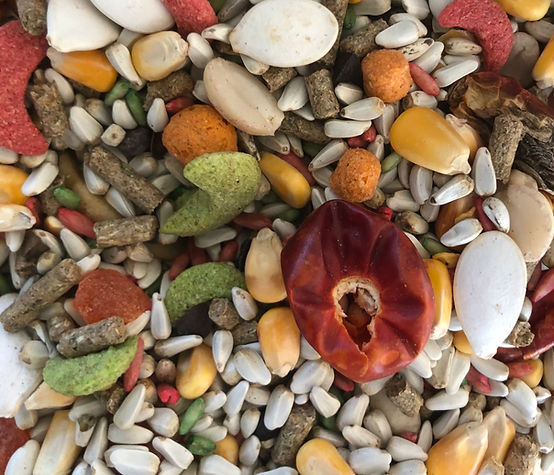
Food With A Purpose!
Each Bag of Uccello sold gives
10%
To a Bird in Need


BIRD CLEANING

Yes, birds need baths! In fact, most birds love being bathed.
3 basic ways to introduce wings to water:
-
Fill a clean spray bottle with tepid water and set the nozzle to mist.
-
Take your bird in the shower with you. (Be sure to not fully submerge them)
or use human soap or water -
Set up a "bird bath" in the sink or with a shallow bowl and an inch or two
of water.
How often?
Two or three times a week should be enough, and if at first the bird seems afraid, be gentle and be persistent.
After a bath, gently towel off the excess water and avoid drafts. Remember, parrots are tropical birds. Always
supervise all bathing carefully, as parrots cannot swim. Be sure to dry them off afterwards and keep them away
from drafts and cool air.
Toys & Toy Safety
Toys and proper care of toys are integral to your bird's mental and physical well-being!
Parrots are highly intelligent, curious, playful and tactile. Give your bird a variety of toys and change them
every few days. Avoid toys on open link chains, bent wires or other devices that could injure your bird
and make sure to remove all packaging before placing in the cage. Be sure to buy high quality toys that you
know are pet safe If your bird is afraid of a new toy, leave it in the room within his line of sight and gradually
move it closer to the cage. Once the bird shows interest in it, put it in the cage.
Interaction is essential both for his happiness and for the formation of a trusting, peaceful relationship between
the two of you. Exotic birds are not decorations for your home. They are emotionally sensitive and highly
intelligent creatures; recent studies have placed them on the level of primates and marine mammals. Small parrots
can live 25 years; large ones up to 75 years and may well outlive you. The decision to buy an exotic bird is not
one to be taken lightly. While an Amazon may not require as much scratching and cuddling as a cockatoo, they
are all genetically social animals and need to be played with and talked to every day.